
On most afternoons in India, sunlight is abundant and consistent. For decades, this natural advantage was underutilized. Today, that same sunlight is becoming central to India’s long-term energy strategy. The question why does solar energy have a bright future in India can be answered through geography, economics, policy support, job creation, and energy security.
Let’s explore this in depth.
1. India’s Geography Is a Natural Advantage
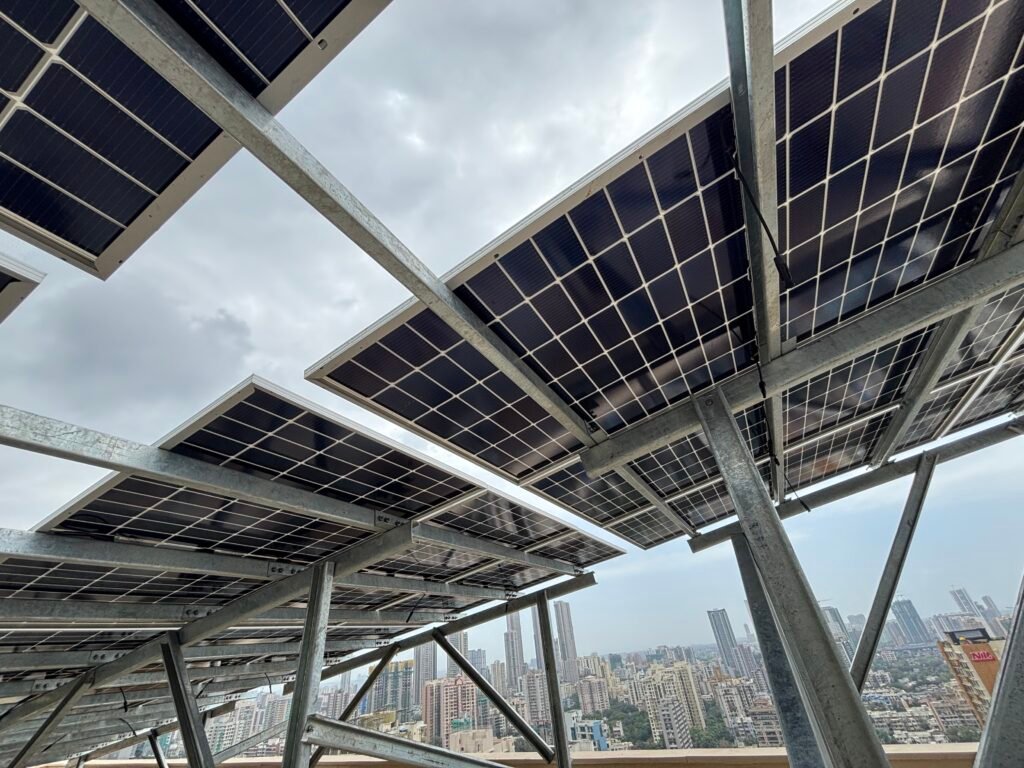
India receives sunlight for nearly 280–300 days a year in many regions. This high solar irradiation gives the country a structural advantage over many nations.
States like Rajasthan, Gujarat, Madhya Pradesh, Telangana, and Maharashtra consistently record strong solar potential.
This means:
- Solar power plants can operate predictably.
- Rooftop solar systems perform efficiently in urban areas.
- Investors and utilities gain long-term confidence.
Geography alone makes solar energy in India not just viable but logical.
2. Falling Solar Costs Make It Financially Attractive
A decade ago, solar power was considered expensive. That perception has changed dramatically.
Today:
- Solar tariffs in India are among the lowest in the world.
- Large-scale solar projects often generate cheaper electricity than new coal plants.
- Rooftop solar reduces household and commercial electricity bills significantly.
For industries, solar is no longer only about sustainability it’s about locking in predictable energy costs for 20–25 years.
When clean energy becomes cheaper than fossil fuel power, adoption accelerates naturally. That’s a major reason why solar energy has a bright future in India.
3. Strong Government Policies and Renewable Targets
India’s renewable energy push is backed by clear policy direction.
Key initiatives include:
- National Solar Mission
- Solar park development schemes
- Rooftop solar subsidies
- Net metering policies
The government’s target of achieving 500 GW of non-fossil fuel capacity by 2030 sends a strong signal to investors and developers that renewable energy is not temporary it’s strategic.
Policy stability matters because energy infrastructure lasts decades. Solar fits directly into India’s long-term development plan.
4. Rooftop Solar Is Changing the Power Structure

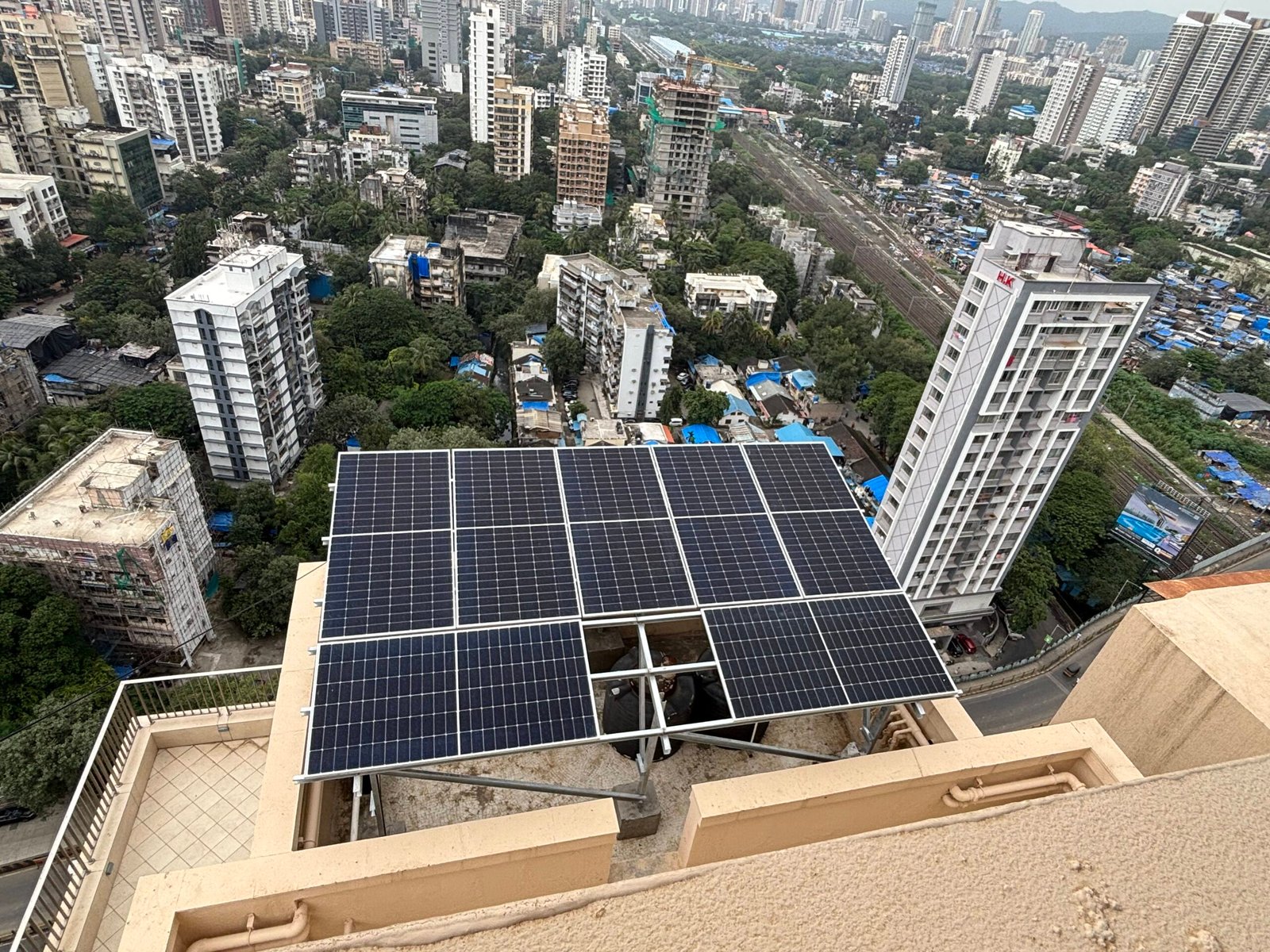
One overlooked reason why solar energy has a bright future in India is decentralization.
With rooftop solar:
- Homeowners generate their own electricity.
- Businesses reduce grid dependence during peak hours.
- Surplus electricity can be exported through net metering.
This transforms consumers into energy producers.
Decentralized solar improves grid resilience and reduces transmission losses both critical for a growing economy.
5. Solar Energy Strengthens Energy Security
India imports a large share of its fossil fuel requirements. That creates exposure to global price fluctuations and geopolitical risks.
Solar energy changes this dynamic:
- Sunlight is locally available.
- No fuel imports are required.
- Energy production becomes more domestic and stable.
From a national strategy perspective, solar reduces long-term dependence on volatile global energy markets.
That’s a strong economic and geopolitical reason why solar energy has a bright future in India.
6. Job Creation Across the Value Chain
Solar energy creates employment in:
- Manufacturing
- Installation
- Maintenance
- Project development
- System design
Unlike traditional thermal plants, rooftop solar creates local jobs because systems are installed and maintained on-site.
For a young and expanding workforce, this sector offers skill-based employment opportunities with long-term growth potential.
7. Technology and Storage Are Improving Rapidly
One criticism of solar energy is intermittency—the sun does not shine at night.
However, advancements are changing this:
- Grid-scale battery storage projects
- Hybrid solar-wind systems
- Improved forecasting technologies
- Declining battery costs
As energy storage becomes more affordable, solar energy becomes increasingly reliable and dependable.
This strengthens the case for long-term solar adoption.
8. Environmental and Health Benefits Are Immediate
Air pollution in major Indian cities is a real and visible challenge.
Solar energy:
- Reduces coal dependency
- Lowers greenhouse gas emissions
- Cuts water usage compared to thermal plants
- Improves air quality over time
These benefits directly impact public health and long-term sustainability.
Environmental gains are no longer abstract they affect daily life.
Real-Life Adoption Across India
Solar adoption is already visible:
- Railways integrating solar panels
- Airports operating partially on solar energy
- Farmers using solar irrigation pumps
- Housing societies installing rooftop systems
Solar energy is not a future concept it is already integrated into India’s infrastructure.
Conclusion: Why Does Solar Energy Have a Bright Future in India?
Solar energy has a bright future in India because it aligns perfectly with the country’s realities:
- Abundant sunlight
- Rapidly falling costs
- Strong policy backing
- Rising energy demand
- Need for cleaner air
- Focus on energy security
This is not about trends or slogans. It is about practicality.
As technology improves and awareness grows, solar energy is steadily becoming the default choice for sustainable power generation in India.

Sahil Doshi is the Director of Rising Sun Electric with over 10+ years of experience in solar energy and energy conservation. He began his professional journey in Mumbai in 2015 and has since worked on commercial, residential, and industrial solar projects.
